The Unnerving Silence: When Your Voice Gives Out Unexpectedly
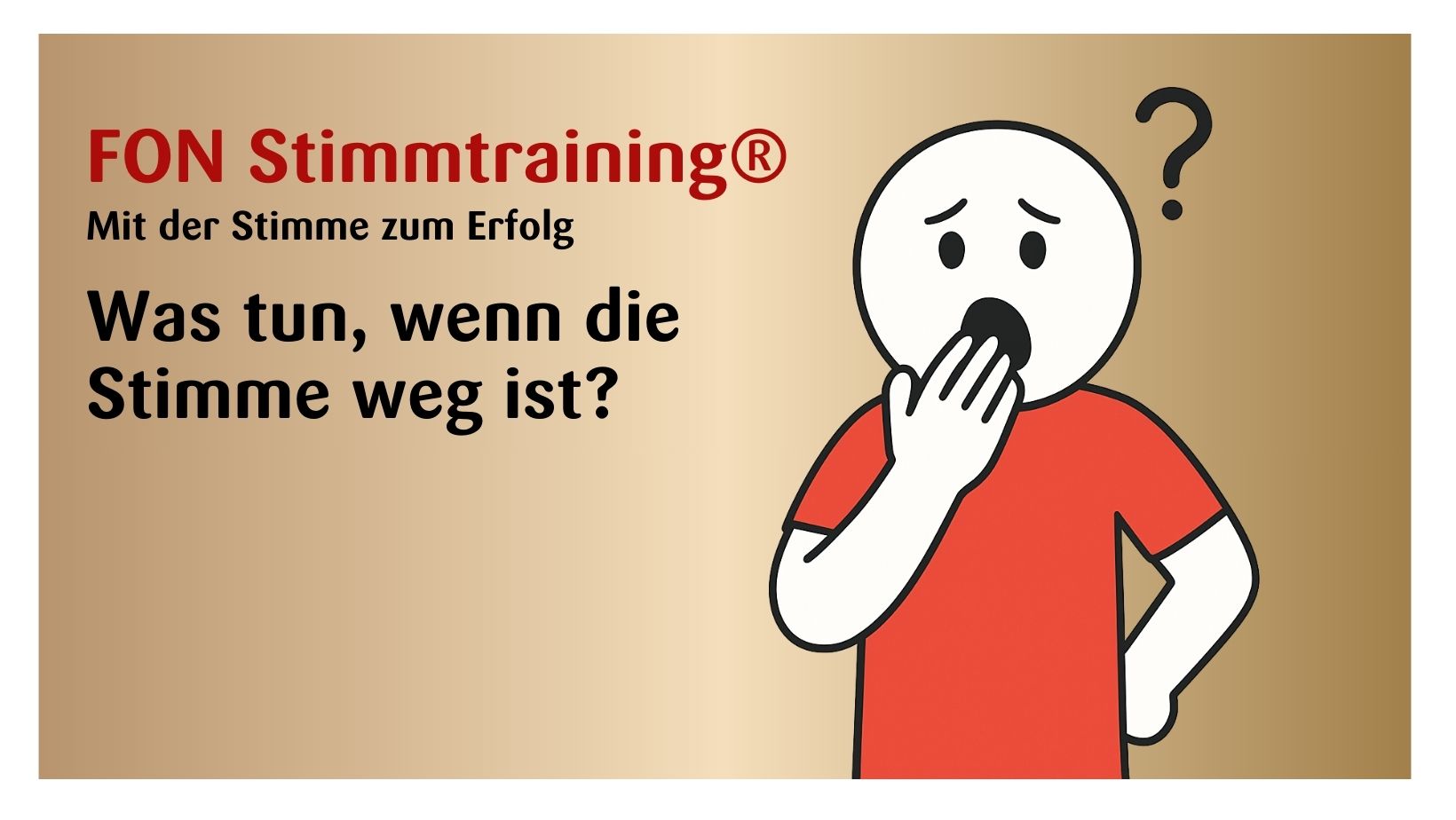
Few experiences are as unsettling as the sudden loss of your voice. One moment you're speaking, singing, or simply trying to express yourself, and the next, silence reigns. This phenomenon, often colloquially referred to as your "voice giving out," can range from a momentary crack to a complete inability to utter a sound. While physical ailments like a cold or laryngitis are common culprits, there's a profound, often overlooked, dimension to sudden voice failure: its deep connection to our emotions. This article delves into the emotional landscape behind why your voice might abruptly abandon you, exploring the sensation many describe as "Stimme Weg Was Tun" – "my voice is gone, what do I do?"
The German phrase "Stimme Weg Was Tun" perfectly encapsulates the panic and helplessness felt when speech suddenly becomes impossible. While it literally translates to "voice gone what to do," its essence speaks to the immediate concern for recovery and understanding. In many cases, the answer doesn't lie in a physical affliction, but in the intricate workings of our minds and hearts.
More Than Just a Sore Throat: The Emotional Connection to Voice Loss
When we talk about our voice "giving out," especially in an emotional context, we often refer to the sensation of being "choked up." Merriam-Webster defines "to choke up" as "to have trouble talking because of crying or strong emotion." This isn't just a metaphor; it's a physiological response that impacts your vocal cords and the muscles surrounding them.
Our voice is a powerful tool for self-expression, communication, and emotional release. When intense emotions arise – whether it's overwhelming sadness, profound grief, intense joy, extreme fear, or even suppressed anger – our bodies react. The autonomic nervous system, responsible for our fight-or-flight response, can kick in. This can lead to a tightening of the muscles in the throat and around the larynx, where our vocal cords reside. These muscles, under normal circumstances, work in harmony to produce sound. When they tense up, they can make it difficult or even impossible for the vocal cords to vibrate freely, leading to a sudden loss of voice.
Consider the emotional scenarios where this might occur:
* **Grief and Sadness:** Delivering a eulogy, hearing devastating news, or reliving a painful memory can cause a wave of emotion so intense that words literally catch in your throat.
* **Overwhelming Joy:** Sometimes, happiness can be so profound it leaves you momentarily speechless, your voice faltering as you try to articulate the feeling.
* **Fear and Anxiety:** In moments of high stress, panic, or fear, the throat muscles can constrict, leading to a dry mouth and a shaky or lost voice. Public speaking, for instance, often triggers such responses.
* **Anger and Frustration:** Suppressing anger can lead to a tense jaw and throat, making it difficult to speak clearly or at all.
* **Embarrassment or Shame:** These emotions can make us want to disappear, and our voice can follow suit, becoming weak or entirely silent.
In these situations, it's not a viral infection or overuse that causes the voice to fail; it's the raw power of human emotion manifesting physically. For a deeper dive into these nuanced emotional triggers, you might find our article
Lump in Throat & Voice Loss: Emotional Causes Explained particularly insightful.
The "Kloß im Hals" (Lump in the Throat) Phenomenon
One of the most common physical manifestations of emotional voice loss is the sensation of having a "Kloß im Hals," or a "lump in the throat." This isn't a literal lump, but rather a feeling of tightness, swelling, or obstruction in the throat. This sensation, medically known as globus pharyngeus, is frequently linked to emotional states, particularly anxiety, stress, and sadness.
Physiologically, when we experience strong emotions, our body prepares for action. This can involve an increase in adrenaline, which can cause the muscles in the pharynx (the part of the throat behind the mouth and nasal cavity) to contract. This contraction can create the feeling of something being stuck, even when there's nothing physically present. Simultaneously, the muscles around the vocal cords (laryngeal muscles) may also tense, hindering their ability to function smoothly.
This feeling often accompanies the urge to cry or the act of suppressing tears. When we try to hold back intense emotions like crying, we often clench our throat muscles. This deliberate suppression, intended to prevent the outward expression of emotion, can inadvertently lead to vocal constriction and the inability to speak. The words literally "get stuck in the throat," leaving us speechless, not because we lack the vocabulary, but because our body has physically prevented sound production.
It’s a powerful illustration of the mind-body connection: our psychological state directly influencing our physical capabilities, making us understand that "Stimme Weg Was Tun" isn't always about a physical ailment.
Navigating Sudden Voice Loss: What To Do (Stimme Weg Was Tun)
When your voice unexpectedly gives out, especially when you suspect an emotional trigger, knowing what to do can make a significant difference. Here’s a guide to immediate steps and long-term strategies.
Immediate Relief for Emotionally-Triggered Voice Loss
1. **Acknowledge and Process the Emotion:** The first step is to recognize that a strong emotion is likely at play. Instead of fighting it, allow yourself to feel it. Suppressing emotions often exacerbates the physical symptoms.
2. **Practice Deep Breathing:** Slow, deep breaths can help calm the autonomic nervous system, reducing muscle tension in the throat. Inhale slowly through your nose, hold for a few seconds, and exhale even more slowly through your mouth. This can signal to your body that it's safe to relax.
3. **Hydrate Gently:** Sip on warm water or a calming herbal tea. Avoid very cold or hot beverages, as well as caffeine and alcohol, which can further irritate the throat. Hydration helps to soothe the vocal cords.
4. **Rest Your Voice:** If your voice has given out, the best immediate action is often to rest it completely. Avoid whispering, which can strain your vocal cords more than normal speech.
5. **Allow Tears if They Come:** If you feel the urge to cry, allow yourself to do so in a safe space. Crying is a natural emotional release that can alleviate the "lump in the throat" sensation and allow your vocal cords to relax.
When to Seek Professional Help
While this article focuses on emotional causes, it's crucial to distinguish between temporary emotional voice loss and persistent issues. If your voice loss is:
* **Persistent:** Lasting for more than a few days without a clear emotional trigger or a known physical cause (like a cold).
* **Accompanied by Pain:** Especially sharp pain when speaking or swallowing.
* **Associated with Other Symptoms:** Such as difficulty swallowing, breathing issues, or unexplained weight loss.
* **Recurring Frequently:** Without identifiable emotional or physical patterns.
In such cases, it's essential to consult a healthcare professional, such as an ENT (Ear, Nose, and Throat) specialist, to rule out underlying medical conditions. Sometimes, even chronic emotional stress can lead to physical changes in the vocal cords over time. For more information on physical causes of voice failure, consider reading our article
Understanding Sudden Voice Failure: Why Your Voice Breaks.
Long-Term Strategies for Emotional Vocal Health
Addressing the root emotional causes is key to preventing recurrent voice loss.
1. **Stress Management:** Incorporate stress-reduction techniques into your daily life. This could include meditation, yoga, mindfulness, regular exercise, or hobbies that bring you joy.
2. **Emotional Intelligence and Expression:** Learning to identify and express your emotions healthily can prevent them from manifesting as physical symptoms. Journaling, talking to trusted friends or family, or engaging in creative outlets can be beneficial.
3. **Therapy or Counseling:** If you find yourself frequently experiencing emotionally-triggered voice loss, a therapist or counselor can provide tools and strategies for processing difficult emotions, managing anxiety, or addressing trauma. Cognitive Behavioral Therapy (CBT) can be particularly effective in addressing anxiety and stress-related physical symptoms.
4. **Vocal Techniques:** For those who use their voice professionally or find emotional stress frequently affects their voice, working with a vocal coach or speech therapist can help develop techniques to manage vocal tension and build resilience.
Conclusion
The experience of "Stimme Weg Was Tun" – when your voice gives out – is a powerful reminder of the intricate connection between our emotional world and our physical body. While physical ailments are often blamed, the profound influence of strong emotions like grief, fear, or overwhelming joy can cause your voice to falter or disappear entirely. Understanding this emotional dimension is the first step towards finding relief and developing healthier coping mechanisms. By acknowledging our feelings, practicing self-care, and knowing when to seek professional help, we can better navigate these moments of unnerving silence and ensure our voice remains a resilient tool for expression.